We live in an age of silicon, starlight exploration, and instant global connection, yet the soil of our era remains soaked in a very ancient blood. As we watch the current headlines—the smoke rising from shattered cities, the hollow eyes of displaced children, and the systematic erasure of homes—we are forced to confront a terrifying paradox: our technology has advanced by centuries, but our appetite for conquest remains trapped in a dark, primitive loop.
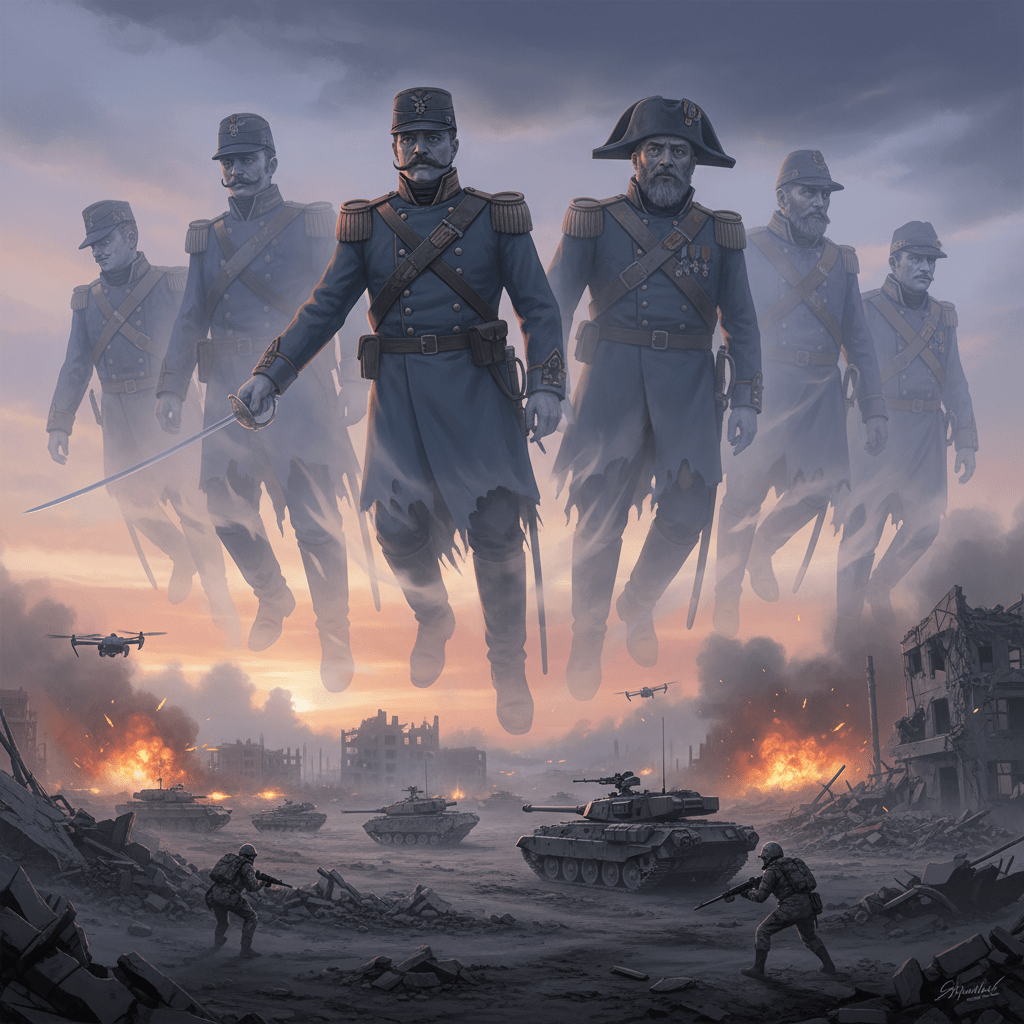
It feels as though the “War Thirst League”—that shadowy collective of the powerful who view the world as a chessboard—is still operating out of a 19th-century playbook. We are mourning not just the lives lost today, but the apparent stagnation of the human soul.
The Persistence of Imperial Hunger
In the 1800s and early 1900s, the world was a map to be carved up. Empires measured their worth in hectares of land and the extraction of gold and coal. We look back at those eras as “bygone,” yet the underlying mechanics of modern conflict remain insultingly similar.
The hunger for power and wealth has not evolved; it has only donned a more expensive suit.
- The Resource Trap: Where it was once coal and spices, it is now gas, lithium, and strategic corridors.
- The Ego of the Map: We still suffer from leaders who believe that “greatness” is measured by how much of someone else’s land they can color with their own flag.
How is it that in 2026, we are still debating the “sovereignty” of a human being’s right to exist without a shell falling through their roof?
The Industrialization of Grief
The Great Wars of the early 1900s were supposed to be the “wars to end all wars.” They taught us the horrific efficiency of industrial killing. Today, we have perfected that efficiency. We use satellite precision to deliver the same prehistoric misery.
There is a profound exhaustion in the air. We are tired of the rhetoric that justifies the “necessity” of violence. Whether it is fueled by the expansion of borders or the protection of profit margins, the result is always a singular, devastating currency: human life.
“The graveyard of history is filled with the names of ‘great men’ who sought to own the world, but it is paved with the bones of the common people who only wanted to live in it.”
A Stand for Humanity
To mourn is to acknowledge that we have failed to learn. We are mourning the mothers who bury their sons, the fathers who carry their daughters through ruins, and the generations of youth whose potential is being incinerated in the fires of geopolitical ego.
When we strip away the flags, the national anthems, and the complex historical justifications, we are left with a simple, ugly truth: Modern war is a 19th-century tantrum played out with 21st-century weapons.
As creators, thinkers, and citizens of a global community, our only allegiance should be to the living. We must refuse the narrative that war is an inevitable weather pattern of the human condition. It is a choice—a choice made by a few, paid for by the many.
The Unfinished Lesson
We are currently living in a time that future historians will likely view with confusion. They will ask how a species capable of mapping the human genome and reaching the furthest stars could still be so obsessed with the primitive acquisition of dirt and dominance.
Until we outgrow the “War Thirst” of our ancestors, we remain shackled to their ghosts. Today, we mourn. Tomorrow, we must continue to insist that humanity is the only border worth defending.

Leave a comment