In the annals of cricketing history, India’s victories in the T20 World Championships have not only marked significant milestones in the sport but have also catalyzed transformative phases within the team itself. From the historic inaugural win in 2007 to the resounding triumph in 2024, India’s journey in T20 cricket reflects a dynamic blend of strategic evolution, youth empowerment, and visionary leadership transitions.
The Genesis: 2007 T20 World Cup Victory

India’s triumph in the inaugural T20 World Cup held in South Africa in 2007 was a watershed moment for Indian cricket. Under the dynamic captaincy of Mahendra Singh Dhoni, India emerged victorious against all odds, defeating arch-rivals Pakistan in a thrilling final. This victory not only brought home the coveted trophy but also instilled a newfound belief in the team’s ability to excel in the shortest format of the game.
Transition and Evolution
Post the 2007 win, Indian cricket witnessed a gradual transition phase. Established senior players began to pave the way for emerging talents, ushering in a new era of cricketing excellence. The likes of Virat Kohli, Rohit Sharma, and Ravindra Jadeja, who emerged from the undercurrents of domestic cricket, found their footing in the international arena. This period was crucial as the team redefined its strategies, embraced aggressive gameplay, and adapted to the demands of T20 cricket.
The Torchbearer: Saurav Ganguly’s Influence

Central to India’s resurgence in T20 cricket has been the visionary leadership and administrative acumen of Saurav Ganguly. As a former captain and later as the President of the Board of Control for Cricket in India (BCCI), Ganguly played a pivotal role in setting high standards for team management, nurturing young talent, and ensuring a seamless transition of leadership. His emphasis on creating a robust domestic structure and promoting a culture of excellence has had a profound impact on the team’s success.
The 2024 Triumph and Its Implications

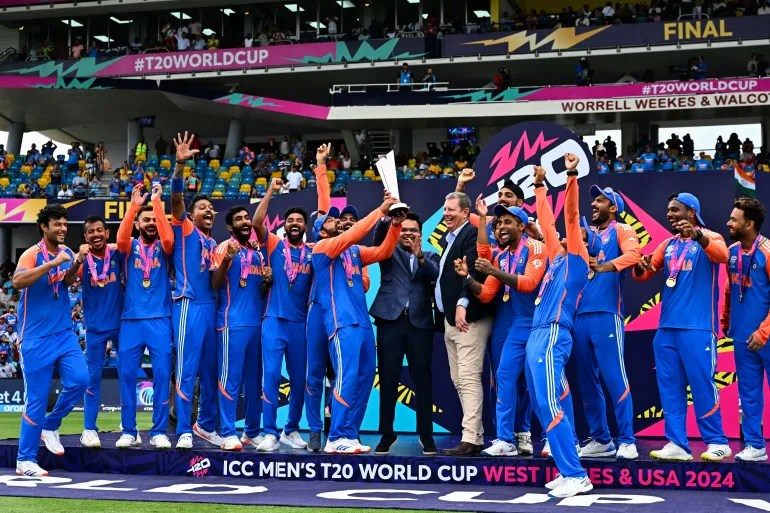
Fast forward to 2024, India’s recent victory in the T20 World Cup once again underscores its dominance in the format. Led by a new generation of leaders such as Shreyas Iyer and Rishabh Pant, the team exhibited resilience, tactical astuteness, and a fearless approach throughout the tournament. This victory not only secured another title but also signifies the ongoing evolution and regeneration within the team.
Embracing the Future: Leadership Transition and Youth Empowerment
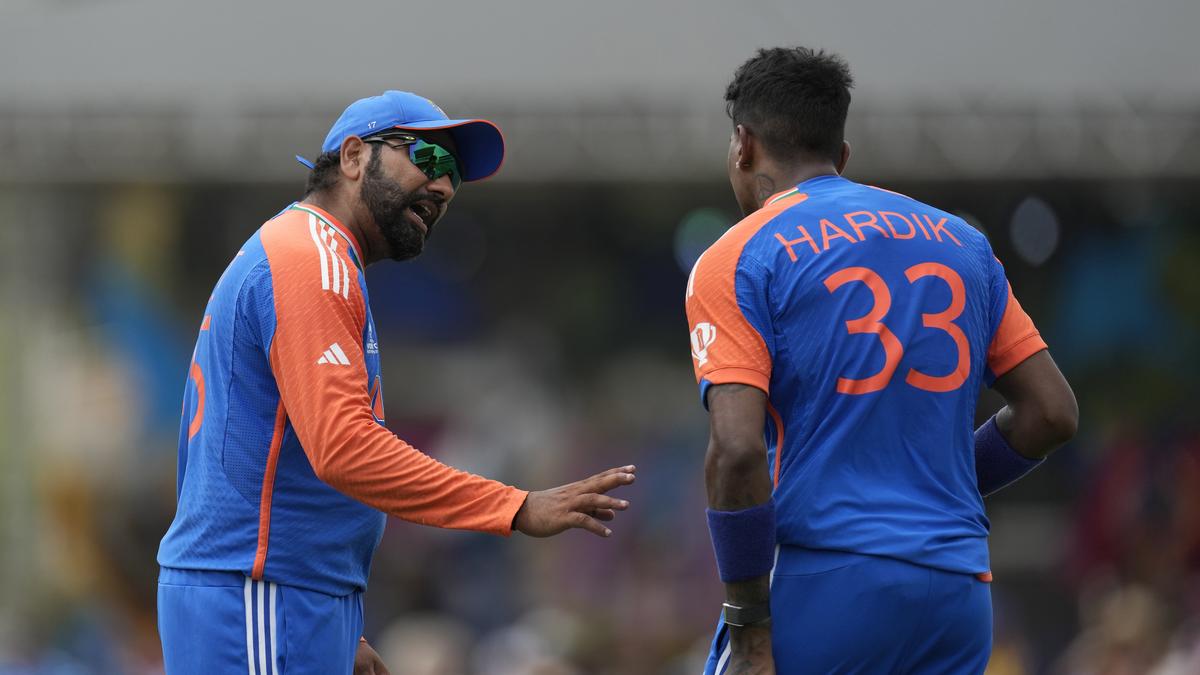
Similar to the post-2007 phase, India is currently witnessing a seamless transition of leadership and a concerted effort towards grooming young talents. Established players like Virat Kohli and Rohit Sharma, while still pivotal, are gradually handing over the reins to the next generation. This generational shift is crucial for maintaining continuity and sustained success in T20 cricket, as the team prepares for future challenges on the global stage.
India’s journey to T20 World Cup glory in 2024 not only celebrates the team’s triumph on the field but also signifies a broader narrative of evolution, transition, and visionary leadership. From the euphoria of the 2007 victory to the strategic foresight of leaders like Saurav Ganguly, Indian cricket has embraced change, nurtured talent, and set new benchmarks in the sport. As the baton passes to a new cohort of leaders and rising stars, India stands poised to continue its legacy of excellence in T20 cricket, guided by the principles and foundations laid by its cricketing stalwarts.

Leave a comment