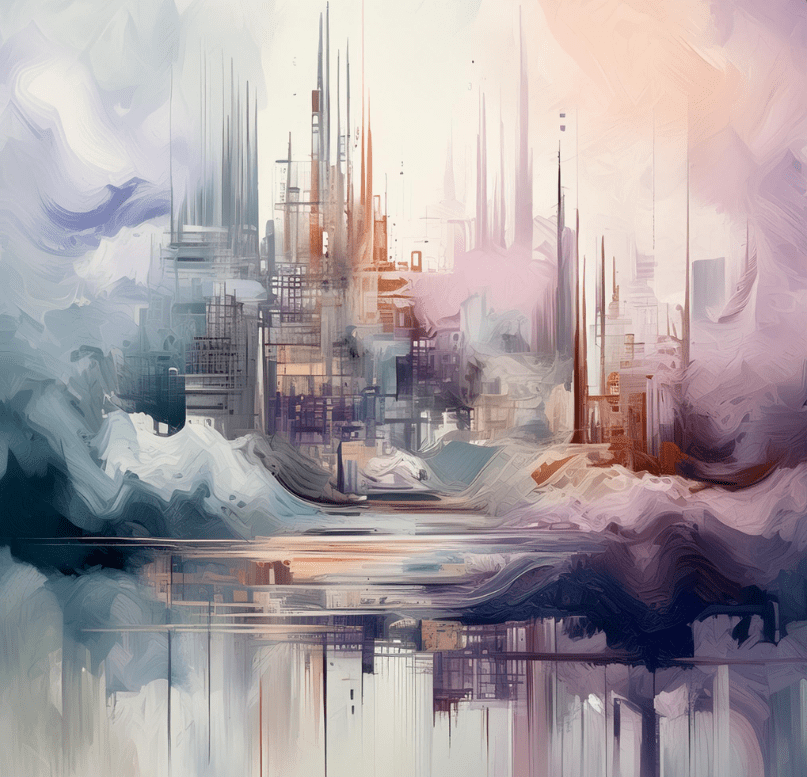
Imagine, if you will, a world where the skyline is not just a cluster of towering skyscrapers but a tapestry of interconnected ecosystems, each pulsating with the rhythm of human ingenuity and innovation. This is the city of tomorrow, where technology isn’t just a tool but a way of life—a living, breathing organism that shapes every aspect of our existence.
In this hypothetical future, cities have evolved into vibrant hubs of creativity and collaboration, powered by renewable energy and sustainable infrastructure. Neighborhoods are no longer defined by physical boundaries but by digital networks that connect residents in real-time, fostering a sense of community and belonging that transcends geographical barriers.
Schools and colleges have undergone a similar transformation, becoming centres of experiential learning and interdisciplinary exploration. Students no longer sit passively in classrooms, memorizing facts and figures—they actively engage with immersive technologies such as virtual reality and augmented reality, bringing their lessons to life in vivid detail. Teachers, freed from the constraints of traditional pedagogy, serve as facilitators of curiosity and creativity, guiding students on a journey of self-discovery and intellectual growth.
But it’s not just technology that has changed—it’s the very fabric of society itself. New political arrangements have emerged, driven by a desire for greater inclusivity and participatory governance. Grassroots movements advocating for social justice, environmental sustainability, and human rights have gained momentum, challenged entrenched power structures and demanded systemic change. Citizens, empowered by digital platforms and decentralized decision-making processes, play an active role in shaping the policies that affect their lives, forging a new social contract based on transparency, accountability, and mutual respect.
In this hypothetical future, the barriers between nations have become increasingly porous, as mass migration and cultural exchange blur the lines between ethnicities, religions, and ideologies. Yet, far from sowing division, this diversity has become a source of strength and resilience, enriching societies with new perspectives, traditions, and ideas. Efforts to preserve cultural heritage and ethnic identity coexist harmoniously with initiatives to promote integration and multiculturalism, fostering a sense of unity in diversity that transcends national boundaries.
Of course, challenges still remain. Resource constraints and environmental degradation continue to threaten the delicate balance of our planet, requiring concerted global action to mitigate the impacts of climate change and ensure the sustainable use of natural resources. Conflict and violence persist in some regions, fuelled by long-standing grievances and geopolitical tensions that defy easy resolution. Yet, even in the face of adversity, the human spirit perseveres, driven by a shared vision of a better tomorrow—a tomorrow where technology serves not as a barrier but as a bridge, connecting us in ways we never thought possible.

Leave a comment