कथं त्वां मम मिलितुं
सुसुन्दरे समये |
तस्मिन् विष्णुप्रिये वत्से
पञ्चशत्संवत्सराणि ||
बुद्धं प्रार्थये यत्र गच्छसि
संमिलन्नेति यत्र तत्र |
बुद्धोपास्य लभामि मां
मूलं मां यत्र गच्छसि |
प्रविष्टे सूर्यमण्डले
सविनयं सुपुष्पितः ||
प्राकारयति सप्ततीर्थे
फुल्लं भूत्वा नगो हृदये |
याभ्यां त्वं प्राप्तुमागच्छसि
श्रूयताम् परमेष्ठिनः |
कंपन्ती पत्राणि तु मे
अतीव आशाया विकसन्ति |
तव संप्रति गमने च
अनुरागोऽयं ममान्तरात् ||
तदा त्वं समीपे गच्छन्ती
विश्रुत्यानीं सविश्रुतिम् |
ततः सम्पूर्णं पतितं
त्वया पूर्वं मम हृदये |
ओहो मित्र न तत् पुष्पं
मम हृदयं न तत्पुष्पं |
तद् अपि शोकविनाशिनं
तद् मम हृदयं न तत् पुष्पं ||
– Rajesh Kuttan
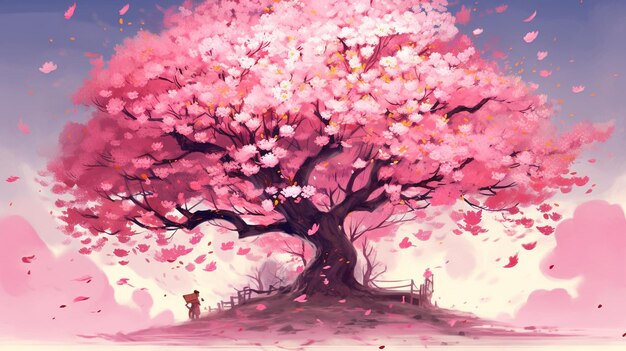
The Sanskrit Gatha poem titled “सुपुष्पितं वृक्षम्” (A Flowering Tree) reflects the yearning of a lover or seeker who desires to meet their beloved or spiritual goal during their most beautiful moments. The protagonist expresses having sought the guidance of Buddha for 500 years, seeking union. However, instead of direct reunion, the Buddha transforms the seeker into a flowering tree along the path the beloved must traverse.
As the beloved approaches, the tree blooms with cautious anticipation, embodying the hope of the seeker’s past life. The quivering leaves symbolize the passion of waiting, and when the beloved finally passes by, the fallen flowers represent the end of the seeker’s journey. The poignant revelation is that the fallen petals are not mere flowers but the withered heart of the seeker.
The poem beautifully captures the themes of longing, transformation, and the bittersweet realization of love or spiritual fulfillment.

Leave a comment