In the realm of cricketing diplomacy, India’s decision to halt visits to Pakistan has cast a shadow over the bilateral sports relations between the two cricket-loving nations. While several factors contribute to this stalemate, the infamous Shrikant incident and the harrowing attack on the Sri Lankan team during a cricket match have only deepened the chasm, raising critical questions about the future of cricketing ties between these neighboring nations.
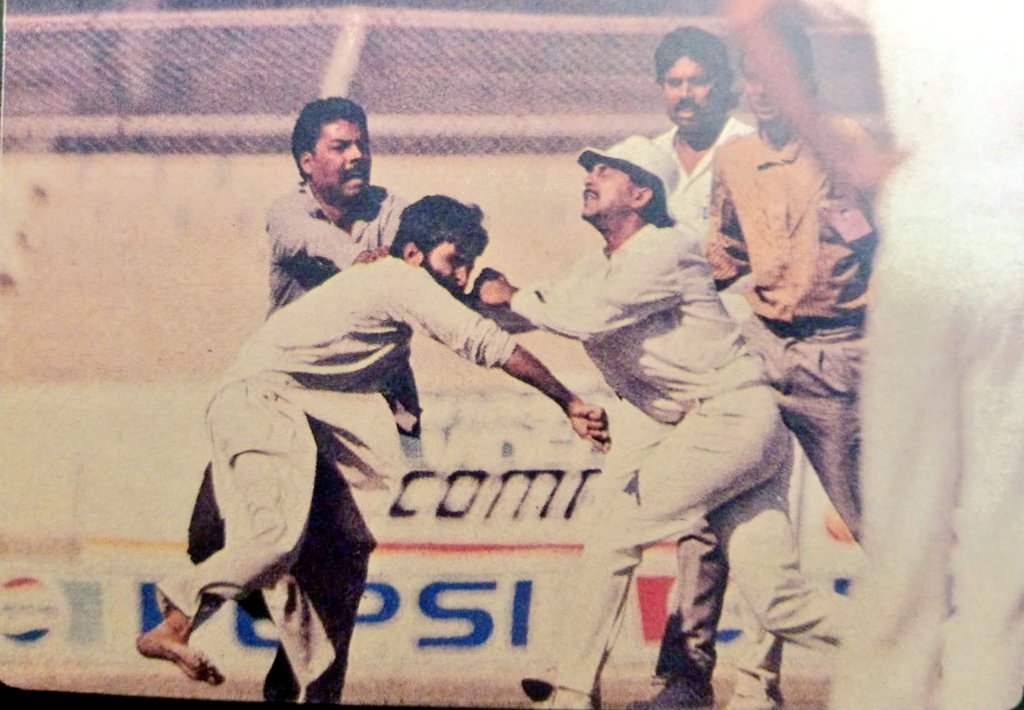
The Shrikant incident, marked by escalating tensions during a crucial match between India and Pakistan, serves as a poignant reminder of the fragility that underlies this storied rivalry. The heated exchanges between players and the subsequent fallout reverberated across borders, igniting a wave of emotions and further straining the already delicate relationship. In the aftermath, both countries found themselves grappling with the repercussions, with trust and sportsmanship taking a severe blow.
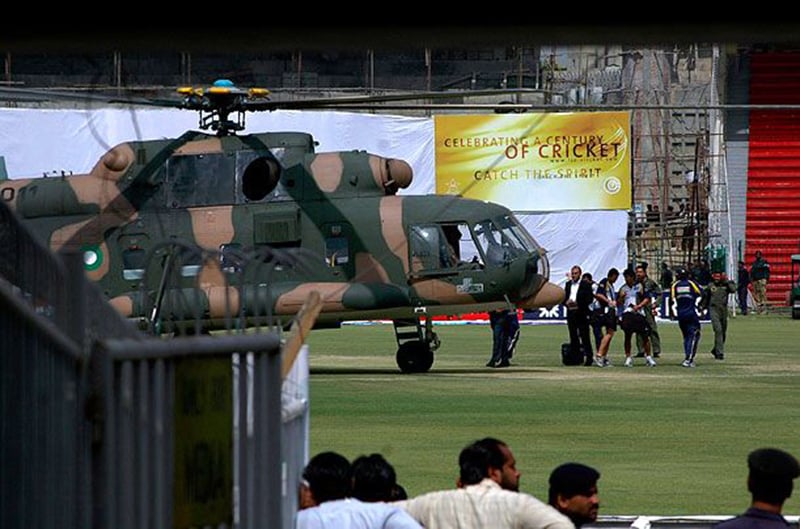
Furthermore, the terror attack on the Sri Lankan team in Lahore in 2009 stands as a stark testament to the security concerns that continue to plague Pakistan’s sporting landscape. The brazen assault not only instilled fear within the cricketing fraternity but also underscored the pressing need for comprehensive security measures and cross-border collaboration to ensure the safety of players and officials during international matches.
The treatment that Indian teams receive when they play in Pakistan has been a contentious issue, with claims of unequal treatment compared to other teams. Several aspects contribute to this concern, highlighting a disparity that continues to strain bilateral cricketing relations.
- Security Concerns: The security arrangements provided to the Indian cricket teams during their visits to Pakistan have often been perceived as insufficient and inadequate. There have been instances where security measures were allegedly compromised, raising significant apprehensions about the safety of players and officials.
- Hostile Reception: Reports of hostile receptions and unsavory incidents targeted at the Indian contingent during matches in Pakistan have further exacerbated the tension. Instances of derogatory chants, unwelcoming gestures, and antagonistic behavior from sections of the crowd have created an unwelcoming atmosphere for the visiting Indian teams.
- Logistical Challenges: Issues related to accommodation, practice facilities, and other logistical arrangements for the Indian teams have occasionally been fraught with difficulties, adding to the discomfort faced by the players and support staff during their stay in Pakistan. Such challenges have amplified the narrative of unequal treatment, contributing to a sense of discontent among the Indian cricketing community.
- Diplomatic Impediments: Geopolitical tensions and diplomatic strains between the two nations have often spilled over into the realm of sports, leading to a climate of suspicion and hostility. These diplomatic complexities have influenced the manner in which Indian cricket teams are received and treated in Pakistan, reflecting a broader narrative of strained bilateral relations.
The stark contrast between the treatment meted out to Indian cricket teams in Pakistan and the hospitality extended to other visiting teams underlines the pressing need for mutual respect, fairness, and equitable treatment within the realm of sports diplomacy. Achieving parity in treatment and fostering a conducive environment for all cricketing nations during their visits to Pakistan is crucial for promoting inclusivity and harmony within the international cricketing community.
Amidst the prevailing complexities, fostering a path towards normalization demands a multifaceted approach, one that acknowledges the intricate historical, political, and cultural nuances at play. From an optimistic standpoint, dedicated bilateral dialogues coupled with the establishment of robust security protocols hold the potential to rebuild mutual trust and pave the way for the resumption of cricketing exchanges. Encouraging cultural exchanges and people-to-people interactions could also serve as catalysts for fostering goodwill and understanding.
However, the pessimistic view raises valid concerns about the entrenched animosity and deep-rooted geopolitical tensions that continue to overshadow any prospects of immediate reconciliation. Heightened security threats and the persistent specter of violence present formidable challenges, often casting doubt on the feasibility of resuming cricketing ties without jeopardizing the safety of players and officials.
In the face of these divergent perspectives, adopting a realistic approach necessitates a step-by-step process that prioritizes incremental confidence-building measures and a commitment to sustained dialogue. Rigid adherence to diplomatic protocols, coupled with the proactive involvement of international cricketing bodies, could facilitate the creation of a conducive environment for the gradual resumption of bilateral cricket matches, thereby fostering greater understanding and collaboration between India and Pakistan.
The tumultuous relationship between Pakistan and India has had far-reaching implications, extending beyond political and diplomatic spheres into the realm of sports, notably cricket. With India’s decision to cease cricketing visits to Pakistan, the imperative for Pakistan to solidify its political stability and fortify its economic foundations has emerged as a pivotal means to challenge this halt and foster renewed bilateral sporting ties.
Political stability stands as a cornerstone for the normalization of relations between the two neighboring nations. Pakistan’s commitment to fostering a conducive environment for peaceful coexistence and cross-border cooperation is fundamental in reinvigorating the spirit of sportsmanship and paving the way for the resumption of cricketing engagements. A stable political climate not only instills confidence in the safety and security of visiting teams but also lays the groundwork for sustained dialogue and reconciliation, transcending the barriers of historical animosity.
Simultaneously, Pakistan’s economic resurgence assumes a paramount role in challenging India’s cessation of cricketing visits. A robust and thriving economy not only enhances Pakistan’s stature in the international community but also signifies its capacity to host international sporting events with the requisite infrastructure and amenities. The bolstering of economic foundations offers a compelling proposition for India to reconsider its stance, recognizing the mutual benefits derived from revitalized cricketing exchanges and the economic dividends that accompany such collaborations.
The convergence of political stability and economic resilience presents an opportune moment for Pakistan to exhibit its commitment to fostering an environment of inclusivity and cooperation. A stable political landscape, coupled with sustainable economic growth, reinforces Pakistan’s position as a reliable and amicable sporting partner, encouraging India to revisit its decision and engage in meaningful dialogue aimed at resuming cricketing visits.
However, the road to reconciliation is not devoid of challenges. Lingering political tensions and unresolved disputes continue to cast a shadow over the prospects of renewed cricketing ties. Skepticism prevails amidst concerns over security and the lingering apprehensions stemming from past incidents. The complexities inherent in addressing these longstanding issues demand a pragmatic and holistic approach, necessitating a commitment to constructive dialogue and the implementation of stringent security protocols.
In navigating this delicate landscape, Pakistan must demonstrate a steadfast dedication to fostering an environment of trust and transparency, assuring India of its unwavering commitment to upholding the sanctity of sporting relations. By addressing the underlying political and economic imperatives, Pakistan can effectively challenge India’s cessation of cricketing visits and lay the groundwork for a renewed era of sports diplomacy, marked by mutual respect and shared camaraderie.
In essence, the convergence of political stability and economic resurgence stands as a beacon of hope, illuminating the path towards a renewed era of cricketing camaraderie between Pakistan and India. A concerted effort to address these critical imperatives not only challenges India’s decision but also fosters a spirit of sportsmanship and solidarity, transcending the boundaries of geopolitics and fostering enduring ties within the realm of sports.

Leave a comment