The world needs peace, progress, social cohesion and spirit to live together. If we shape education on the principles of ancient Indian school of thought we will be in a position to prepare our youth for learning to live together. There is a need to expose our young generation to ideas of universal love, tolerance, and peace. “We have to work to remove orthodoxy and obsolescence orientations. There is a need to offer holistic education with multiple dimensions of human personality. There is a need that education should provide experiences which would reduce hatred, bigotry, fundamentalism fanaticism, greed, and jealousy.”
The Gita in a subtle way gives prominence to self-directed, self-generated, self-initiated learning. It says one should raise oneself with own efforts. One should realize one’s goals and aims through one’s own karma. Metaphysically speaking, it means realization and actualization of self is through yourself only. The process of education has to be self-directed and self-generated. The sense of fulfillment by self-efforts was the core of ancient education. The “Learning To Be” (UNESCO 1972) mentions that man is an unfinished being and can only fulfill himself through constant learning. If this is so then education takes place at all ages of life, in all situations and in all circumstances of existence. Education must transcend its limits of institutions, programmes, and methods. And this concept was presented in all ancient literature on education.
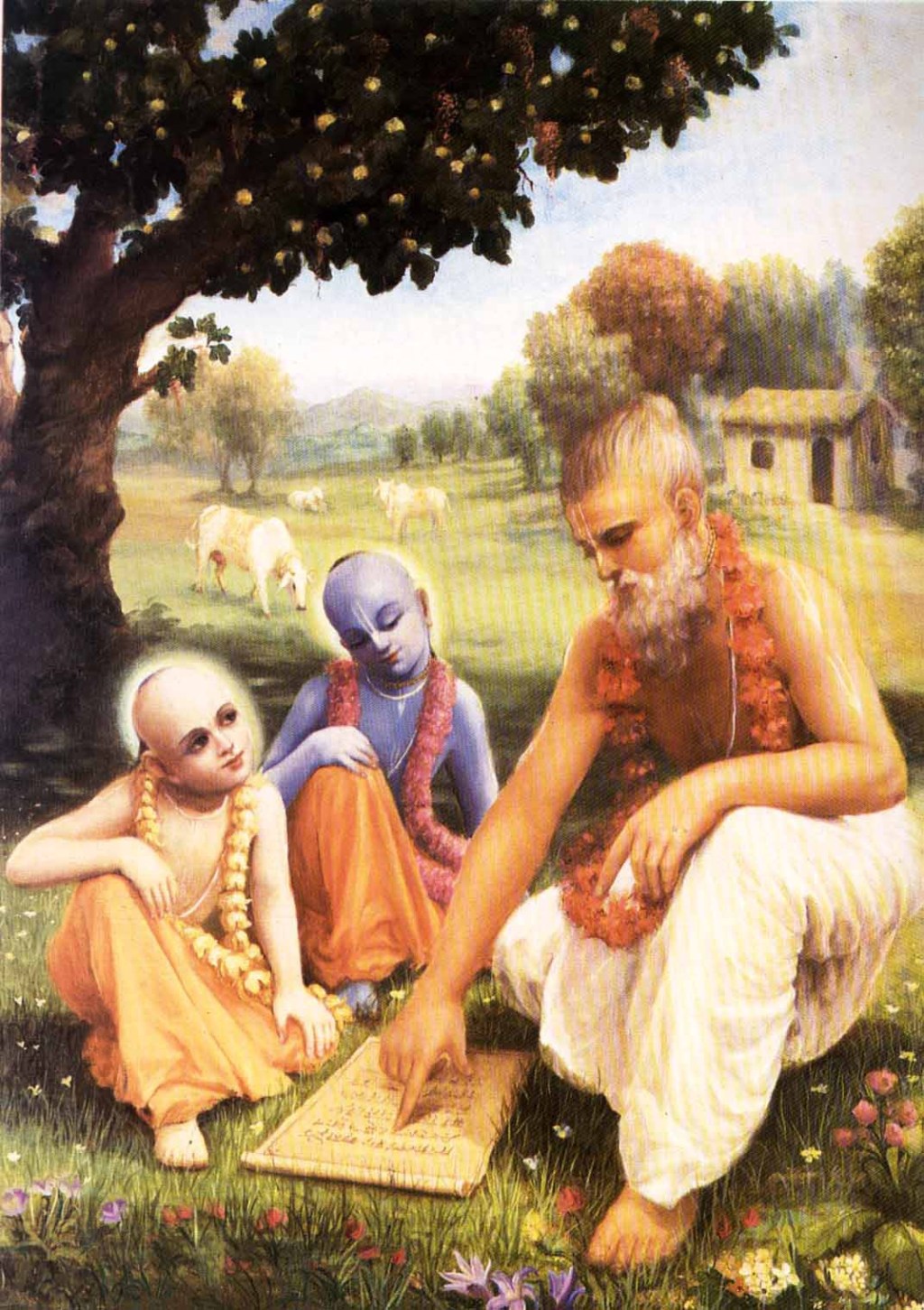
Ancient Indian thinking never credited formal institutionalized learning. In one of the slokas, four sources of education have been identified through which learning takes place: It says “one-fourth of the learning is done when the student is with the teacher, one-fourth of learning by the learner’s self-study and self-reflection. One-fourth of the learning results by peer interaction and the last one fourth comes out of time context.

Leave a comment